File 01
Europe made a most wanted list. 18 of the 21 faces were women.
In 2019 Europol hid 21 fugitives behind masks. Eighteen were women. This is the list, and what happened to them.
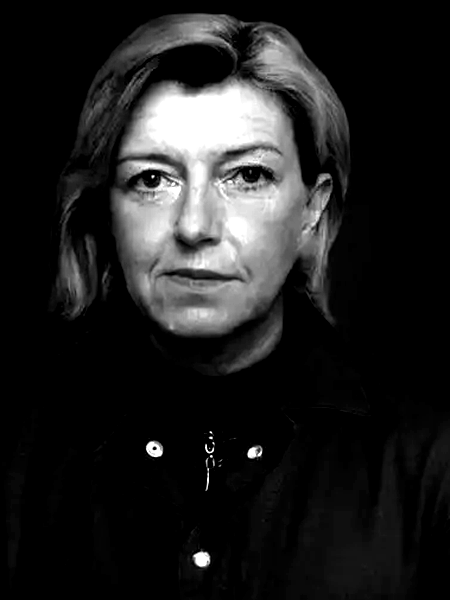 Police photo of Elisabeth Skarits
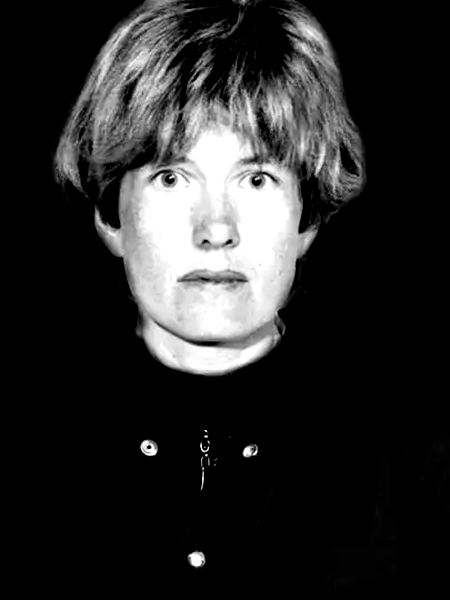 Police photo of Hilde Van Acker
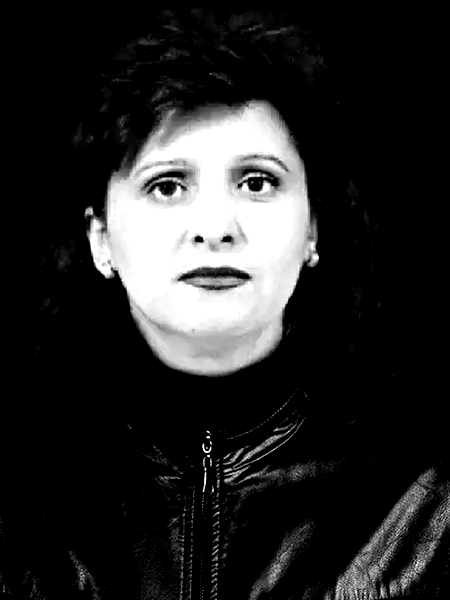 Police photo of Radina Zhecheva
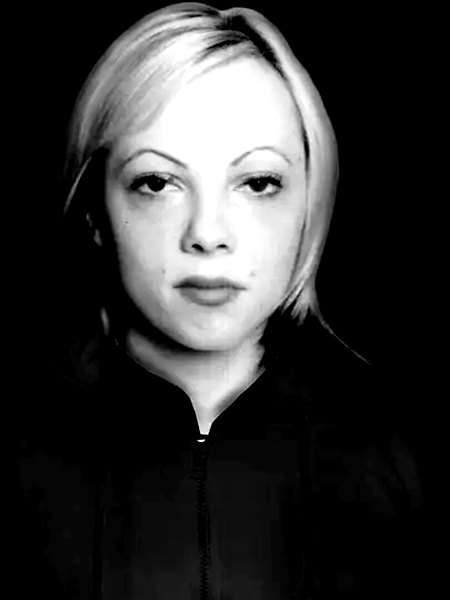 Police photo of Zorka Rogić
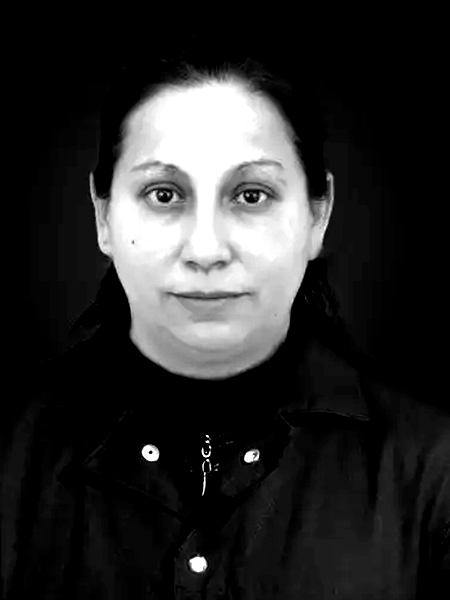 Police photo of Iveta Tancošová
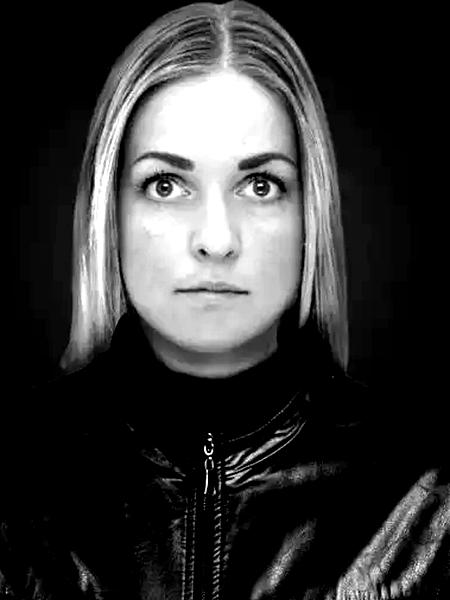 Police photo of Kristi Amberg
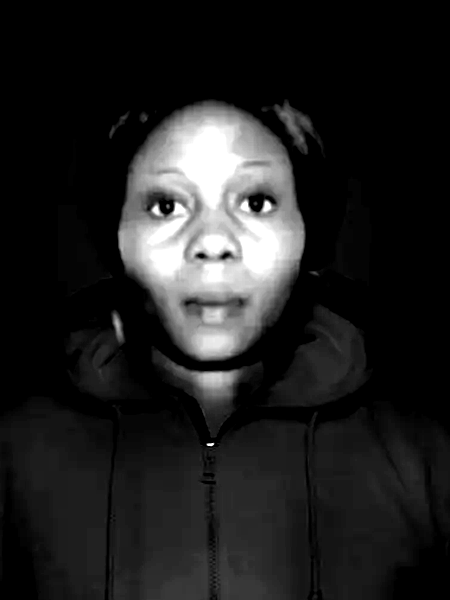 Police photo of Jessica Edosomwan
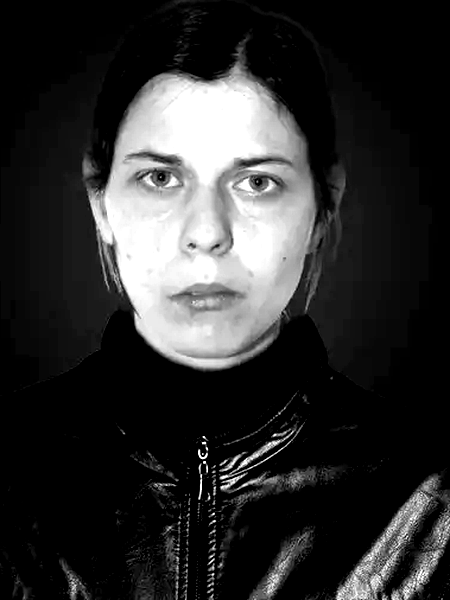 Police photo of Ildikó Dudás
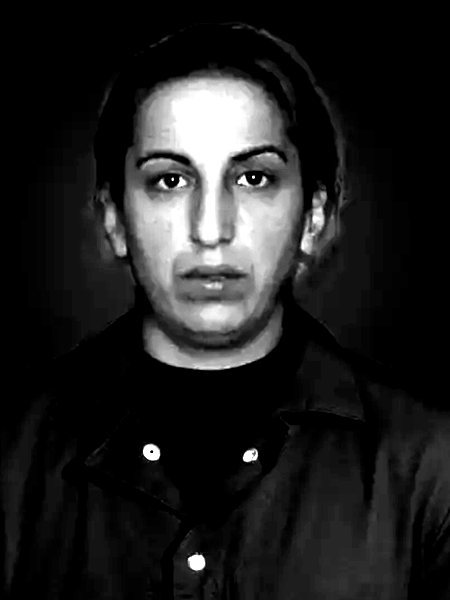 Police photo of Olivera Petrović Ristić
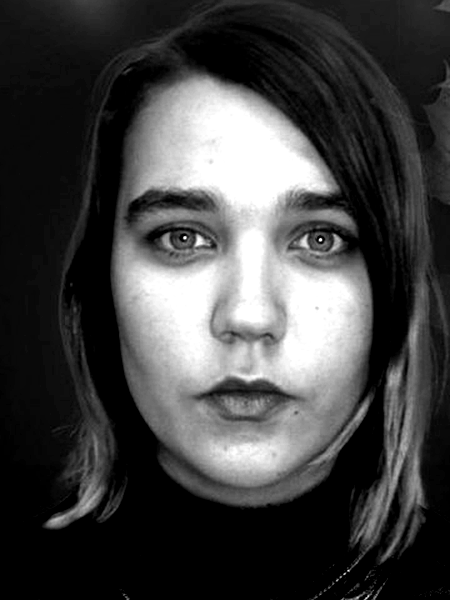 Police photo of Angeļina Sacjuka
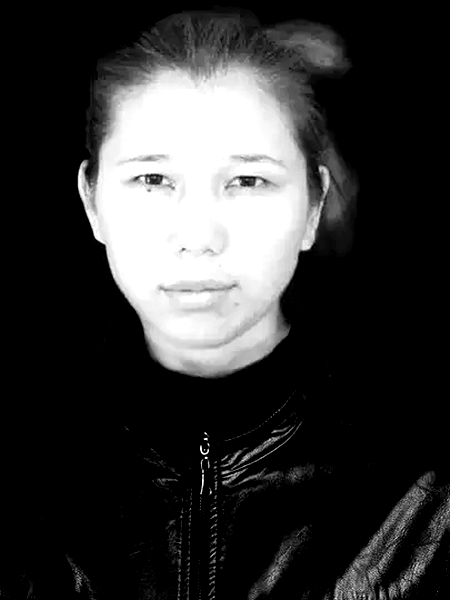 Police photo of Adilet Shakirgazieva
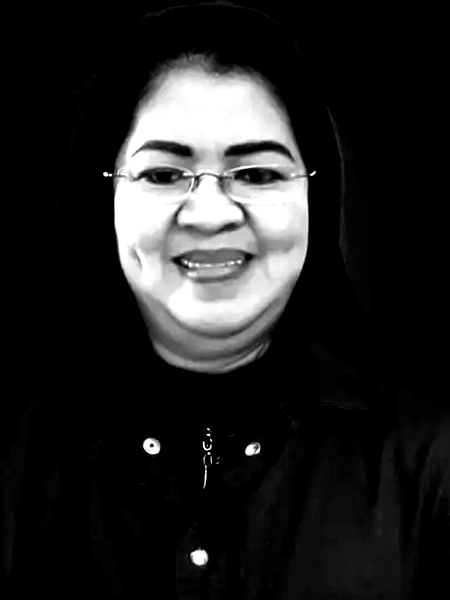 Police photo of Elizabeth Dizon Honrada
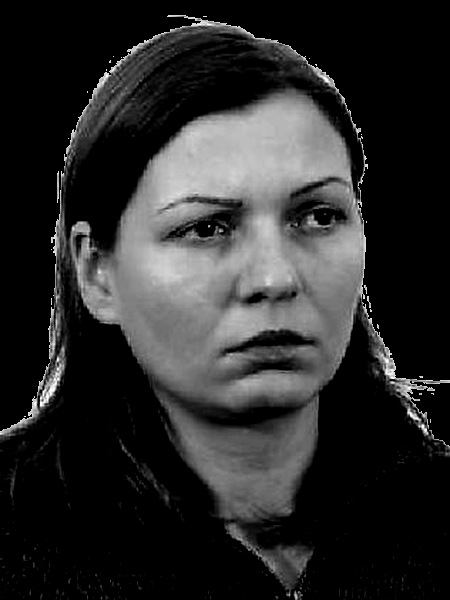 Police photo of Dorota Kaźmierska
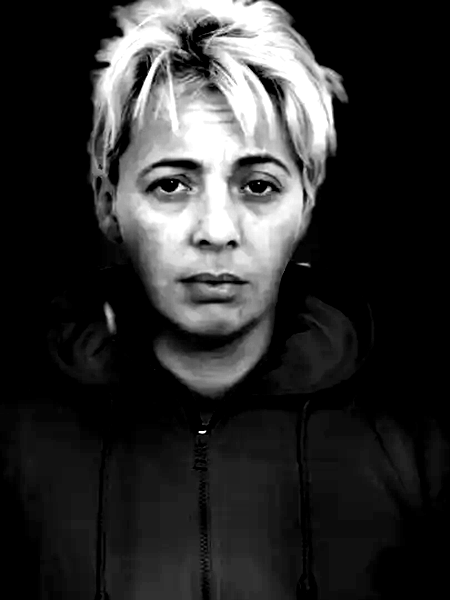 Police photo of Ildiko Enderle
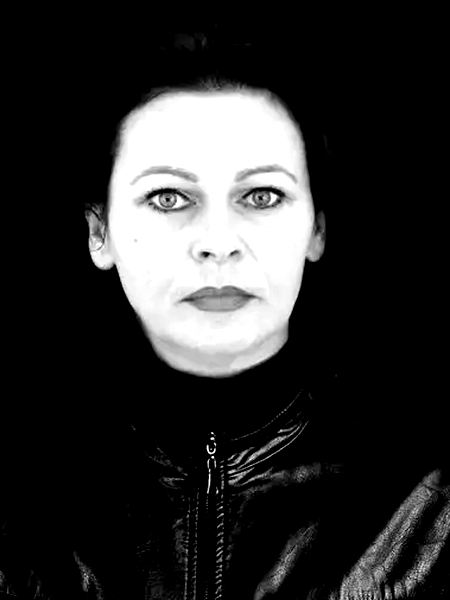 Police photo of Renáta Lorinc
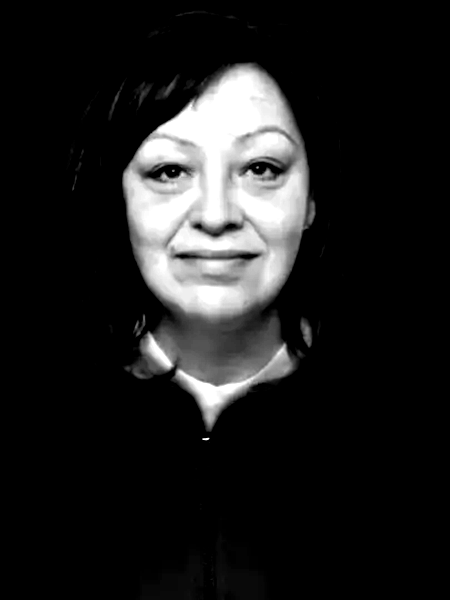 Police photo of Melanija Stropnik
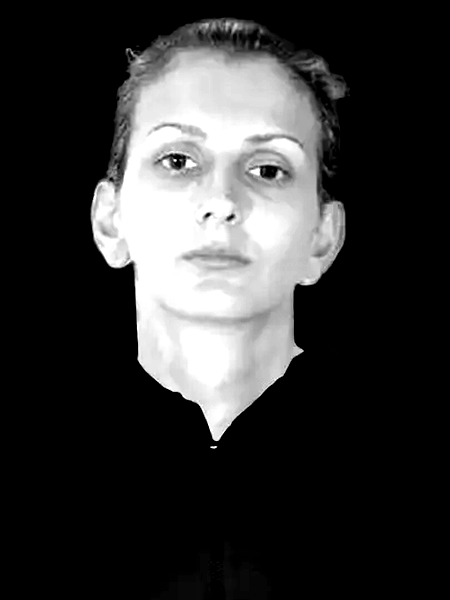 Police photo of Elena Puzyrevich
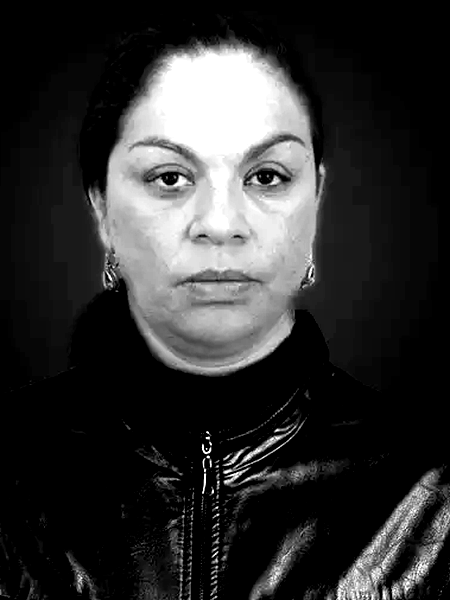 Police photo of Monika Rafaelová
In October 2019 Europol put a website up with 21 masks on it.
Each mask was a fugitive. You clicked one and got the crime in pieces. A man shot in the head with a Walther pistol in Bydgoszcz. A retired jeweller tied to a chair in his own house outside Trieste. A nurse's job in England that turned out to be a locked room. Every time you scrolled, a bit more of the mask fell away. The face only showed up at the end.
Eighteen of the 21 were women.
The campaign was called Crime Has No Gender. Every country taking part picked one of its most wanted people, and Europol built the masks around them. Their spokeswoman, Tine Hollevoet, said: "People think that usually these crimes are not being committed by women, but they are and they are equally as serious as those committed by men."
The list was picked to make that point. Most of the people Europe is hunting are men, and a criminologist in Amsterdam, Anne-Marie Slotboom, said as much the same week: when women show up in serious crime it's mostly money, fraud and laundering, and much less often violence.
What's actually on the list
Four of the women are wanted over a death. Hilde Van Acker, Belgian, convicted with her boyfriend of killing a British businessman on the coast at De Haan in 1996. Olivera Petrović Ristić, Serbian, accused over the jeweller near Trieste. Dorota Kaźmierska, Polish, the Walther pistol, her husband. And Angeļina Sacjuka, Latvian, who was 20 when the list went up and 14 or 15 when a woman was beaten to death in Riga in 2014.
Four are trafficking cases. A Czech woman who promised a girl nursing work in England. A Nigerian "mama" in a ring that used juju oaths to keep girls working the streets of Lyon. A Romanian recruiter. A Russian woman who ran the books at a club in Cáceres, where one of the girls jumped out of a window to get away.
Then there's the money. An Austrian property manager and €4.2 million. A Bulgarian fake job broker. A Slovenian woman who talked a man out of €188,042 with fake profit figures for her company. A Slovak card forger. A Czech woman who worked Swedish supermarkets, stealing purses off the walking frames of old women.
The rest is drugs, mostly small, apart from the Filipino woman, now in her sixties, who brought 45 kilos of cocaine into the Netherlands from Suriname. And one burglar in Malta who was granted bail in 2017 and left the island before her court date.
What happened after
Latvian police arrested Angeļina Sacjuka the next morning, after people phoned in. Dorota Kaźmierska was picked up in Wuppertal, Germany, four days after the launch, on a tip the campaign brought in.
Five weeks after the masks went up, Hilde Van Acker was arrested. She'd been gone 23 years. Ildiko Enderle was found in Manchester that December, under a false name, and a British court later refused to send her back.
The Slovak card forger was found in the United States that same October and flown home on 30 December. The Slovenian fraudster turned up in Accra in 2021, living without papers. She'd been sought for 17 years.
For the other 12 I found no reported arrest. All 18 have since come off Europe's live most wanted page. That happens after an arrest, but also when a case lapses or a country swaps in someone else, so it isn't proof of capture.
The posts that follow take them one at a time, crime first and face last, the way the masks worked.
Starting with a couple from Sint-Niklaas and a body in the woods at De Haan.
Sources
- Europol press release, 18 Oct 2019: europol.europa.eu
- The campaign site, archived 30 Oct 2019: web.archive.org
- AFP via Taipei Times, 19 Oct 2019: taipeitimes.com
- IamExpat, with Anne-Marie Slotboom: iamexpat.nl
- Brussels Times, 21 Nov 2019: brusselstimes.com
- N1 Slovenia, 15 Nov 2021: n1info.si
- Slovak Spectator, Jan 2020: spectator.sme.sk